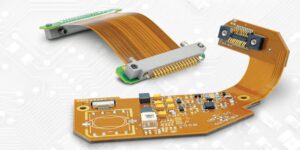
Introduction:
As devices get smaller, lighter, and more integrated into everyday life—think wearables, smart home sensors, IoT gadgets—the demand for flexible and rigid-flex PCBs is accelerating rapidly. Designers want more layout freedom, durability, and reliability without sacrificing performance.
Key Trends & What’s Driving This:
Size + Weight Constraints: The push for miniaturization has meant more compact electronics. Flexible and rigid-flex boards help by allowing folding, bending, and slimming down designs.
Durability Under Stress: These boards perform better in conditions involving vibration, motion, or constrained space. Automotive electronics, medical wearables, and rugged IoT devices benefit a lot.
Advanced Materials & Substrates: To support flex and rigid-flex, materials must maintain signal integrity, resist thermal expansion, and handle flex cycles. High-performance substrates, flexible laminates, metal-core PCBs are being used more.
Challenges to Consider:
Design complexity increases: routing, stack-ups, thermal management.
Higher manufacturing cost versus standard rigid boards, especially for low volumes.
Need for specialized fabrication and assembly processes (e.g. flexible solder joints, bend radius management).
How ZYL PCBA Solutions Is Preparing / Adapting:
Investing in tooling and process capability for flexible & rigid-flex boards.
R&D focused on validating durability (bend tests, thermal cycling, vibration).
Working closely with customers on design-for-flexible manufacturability (DfFM) reviews early in the project.
Conclusion:
Flexible & rigid-flex PCBs are no longer niche—they’re becoming core parts of modern electronics design. Companies that can master these will be better placed in markets like wearables, medical, automotive IoT, and more.